Attic air sealing in Hobbs NM - gaps closed before new insulation goes down
If your upstairs runs hot and the power bill keeps climbing, we close the attic leaks first so your insulation can do its job.
What does attic air sealing do for a house in Hobbs?
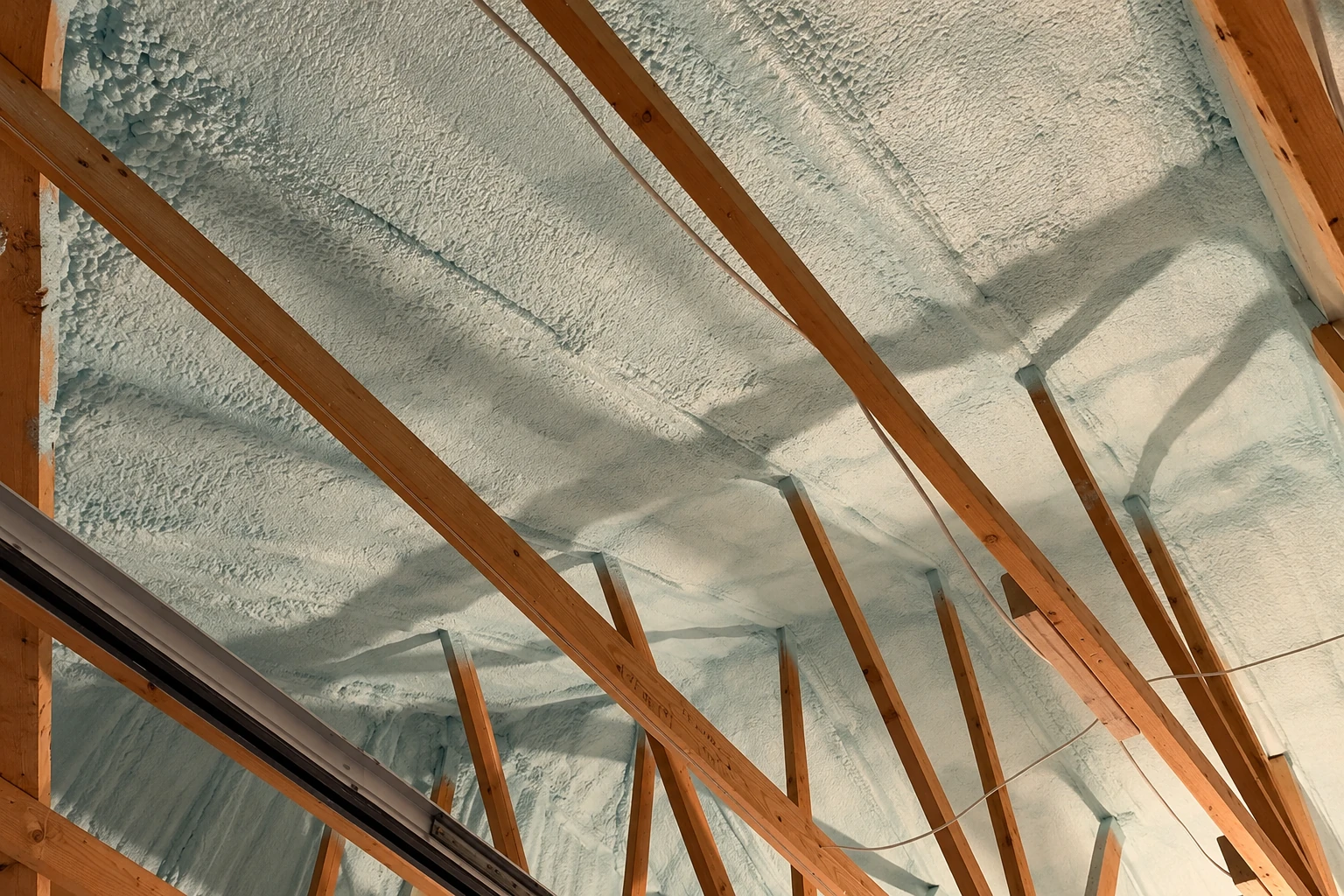
Attic air sealing in Hobbs closes the gaps between your attic and the rooms below, around wires, pipes, lights and the hatch, so the air you pay to cool and heat stays in the house, the power bill eases and the attic stays drier.
Many attics we see around Hobbs have years of small openings in the attic floor that nobody sealed before the insulation went in, so that insulation has been fighting a draft the whole time. If you're planning retrofit insulation or a top-up, the sealing should come first, because once new material is down those gaps are buried. The price moves with how many openings there are, how easy the attic is to reach and move around in, and whether a roof leak or old wiring has to be dealt with first. The schedule turns on those same fixes and on any permit the job needs, and I'll give you your own figure in a written estimate after I've seen the attic. We're licensed and insured, and New Mexico treats installing insulation, foam included, as its own licensed trade.
How can you tell your attic is leaking air?
Most attic leaks hide under the insulation, so you notice them in the rooms below before you ever see them. These are the signs homeowners around Hobbs usually describe when they call us.
Upstairs rooms stay hot on summer afternoons with the AC running, which often means attic air is getting in.
The room over the garage never feels like the rest of the house, usually because air slips through its ceiling.
You feel a draft at the attic hatch or pull-down stairs, which usually means the edges aren't weatherstripped.
Dark, dirty streaks in the old insulation usually show where air has been filtering through it for years.
Dust gathers around ceiling lights, vents or fan grilles, a common sign that air is moving past them.
The power bill keeps climbing in summer though nothing in the house has changed, which often points to hidden leaks.
If new insulation is on your list, please call us before it goes in, because the gaps are far easier to reach now than after it's down.
What happens when you call us to seal your attic in Hobbs?
I come out myself to look at the attic and write the estimate, and our installers do the sealing with me checking their work along the way. Here's how it goes, one step at a time.
Call or send a request
You call (575) 318-2651 or fill out our form, and we get back to you to set a time for me to come out. Please have your attic access type, any gas appliances and any plans for new insulation ready, because those shape the visit.
I look over your attic
I check for roof leaks, old wiring, bath fans venting into the attic and anything else that should be fixed first, and I note the gas appliances in the house. Your written estimate lists those items, the sealing work and any insulation plans, so you know the cost and the order before anything starts.
We sort out the permit
Hobbs Building Inspections reviews plans for remodeling, alterations and repairs as well as new building, so I check with that office before work starts. If your job calls for a permit, we apply for it and arrange the inspections.
We seal, then walk through
Our installers seal the attic floor in the order we agreed, and any new insulation goes down only after the sealing is done. When we finish, I walk through the attic with you and show you what was closed.
Get a written estimate for sealing your attic
We reply within one business day to set a time for me to come out. The on-site estimate is free and obligation-free, and I'll explain each line on it before you decide anything.
- Call
- (575) 318-2651
- Hours
- Mon–Sun: 6 AM–11 PM
Sealing materials and how each gap gets closed
Small gaps around wires and pipes get caulk rated for the spot, including high-temperature caulk near a heat source, and wider gaps get spray foam. Large holes and open soffits over cabinets get solid blocking, hot flues get metal blocking and collars, and some can lights get covers depending on how the light is rated. Soffit, ridge and gable vents and any combustion air duct stay open, because they're meant to.
The usual guidance for pull-down stairs or an attic door is to treat it like a door to the outside, with weatherstripping on the edges and rigid foam board on the back. That matters here, because the state energy code puts Hobbs in climate zone 3B, a warm, dry zone, and a loose hatch can pull hot attic air into the house all summer.
Some owners ask whether to use spray foam insulation across the whole attic instead. Foam costs more, and it seals air while it insulates, so it earns its price when your ductwork runs through the attic. For most houses, sealing the gaps and then topping up the loose fill is the better use of your money, and I'll tell you which way I'd go once I've seen yours.
Attic air sealing questions from Hobbs homeowners
What is the best way to add insulation to an attic that leaks air?
Seal the attic floor first, then add the insulation. The usual guidance for an existing vented attic is to close every opening in the attic floor with sealant, one-part spray foam or rigid blocking before more insulation goes down. That's how we run the job, with the sealing scheduled as the first step.
What needs to be fixed before attic air sealing starts?
A national attic sealing guide says roof leaks, active knob and tube wiring, vermiculite insulation, bathroom fans venting into the attic and any unvented kerosene heater or gas fireplace should be handled before sealing goes ahead. Sealing over those problems only traps them, so I look for them on my visit and list them on your estimate before anything else is scheduled.
How do I keep attic air sealing safe with a gas furnace or water heater?
If your furnace, water heater or boiler burns gas or oil and vents through a natural draft chimney, the kind that relies on rising heat to carry exhaust out, plan for outside combustion air and a backdrafting test. The same guide calls for that air to come straight from outside, a test to confirm exhaust isn't spilling back into the house, and carbon monoxide detectors. It names replacing those appliances with sealed combustion, induced draft or power-vented models as the best approach, so I'll ask about yours at the estimate.
Do I need a permit for attic air sealing in Hobbs?
The city says to apply for a permit before any construction or remodeling work begins, and Hobbs Building Inspections is the office that handles residential permits, so that office decides for your address. Checking with them is part of our steps before work starts, and outside Hobbs I check with the office that covers the address, such as Lea County or the City of Seminole.
How much does attic air sealing cost in Hobbs?
The cost depends on your attic, so I give you a figure in a written estimate after I've looked it over. What moves it most is how many openings need closing, how hard the attic is to get around in, whether the hatch or pull-down stairs need work, and whether a leak, old wiring or a vented fan has to be handled first. Choosing spray foam over sealing and loose fill raises it.
Does attic air sealing help with moisture in the attic?
Yes, sealing helps prevent moisture problems, because it stops warm, damp house air from drifting up into the attic. We also keep the eave vents clear when new insulation goes in, since a buried vent stops the attic from breathing and moisture can show up in the framing.
Related insulation work for your attic
Retrofit insulation
If your house is older and the insulation up there is thin or settled, retrofit work adds to what you have once the gaps below it are closed.
Spray foam insulation
When ductwork runs through your attic or you'd rather seal and insulate in one layer, foam covers both in one pass, and I'll talk through whether it fits.
Call to get your attic checked first
You can reach us at (575) 318-2651 any day from 6 AM to 11 PM or through our request form, and we come out across Hobbs, North Hobbs, Lovington, Seminole and the cities around them.
Mon–Sun: 6 AM–11 PM