
Basement insulation in Hobbs, NM - sealed walls and a warmer room downstairs
Cold floors, a musty smell or plans to finish the basement? We insulate the walls with moisture in mind so the space stays comfortable.
How do you insulate a basement in Hobbs without trapping moisture?
Basement insulation in Hobbs means adding insulation to the inside of your foundation walls, usually foam board, spray foam or fiberglass batts, so the basement and the rooms above it stay warmer and your house uses less energy.
Most people call us because the floors are cold, the downstairs room never warms up, or they're getting ready to finish the space. The price mostly comes down to how much wall you have, which material suits it, whether you want drywall over it, and whether anything damp needs fixing first, and the schedule turns on that same repair work and on any permit and inspections. The written estimate I give you after looking at the space spells all of that out, and if you'd like the walls upstairs done too, our wall insulation page covers that work.
How do you know your basement needs insulation?
Most people don't go looking at their foundation walls. They notice something in the rooms first, and these are the things homeowners in Hobbs usually mention when they call us.
The floor over the basement feels cold underfoot all winter, which usually means bare foundation walls are losing heat.
The downstairs room never warms up even with the heat running, so warm air is escaping through the walls.
You feel a draft along the top of the walls where the wood framing sits on the concrete.
The basement smells musty or damp, which can mean moisture is getting in and needs a plan first.
White chalky powder or dark stains show on the concrete, a sign water is moving through the wall.
Old insulation down there sags, looks stained or feels damp, which usually means it's holding moisture.
If you see standing water or wet spots on the walls, please call us at (575) 318-2651 before any insulation goes up, so I can look at the cause first.
What happens when you call us about your basement?
Here is how a basement job runs with us, one step at a time, so you know who you'll talk to and what happens in your home before anyone starts work.
Call or send a request
Call (575) 318-2651 or use the form, and we'll get back to you to set a time for me to come out. It helps if you know roughly how big the basement is and whether you plan to finish it.
I inspect and write the estimate
I look the walls over for damp spots and note anything that should be fixed first, since insulation over a wet wall only hides the problem. Your written estimate lists the method and the material, and if you plan to finish the space it includes the covering over any foam, so you see the whole job before you decide.
We handle the permit question
Before work starts I check with the office that covers your address, and if the job needs a permit we apply for it and arrange the inspections. On a permitted Hobbs job the code official inspects each major phase, and the city normally needs 24 to 48 hours' notice for each one, so I build that time into the schedule.
Install, check and walk through
Our installers do the work in the order we agreed, and I check it along the way so nothing gets covered before it's right. When we're done, I walk through the basement with you and answer any questions you have.
Get a written estimate for your basement walls
Thank you for reaching out. We'll reply within one business day to set a time for me to come out, and I'll look the space over and give you a free written estimate with no obligation.
- Call
- (575) 318-2651
- Hours
- Mon–Sun: 6 AM–11 PM
Basement insulation methods and how we handle moisture
Moisture is the main concern below grade, so I choose the method and the covering around it. Stiff foam boards on the inside of the walls are a common choice, in XPS, EPS or polyisocyanurate, and asking which type a bid uses helps you compare quotes. The boards must stick fully to the concrete with no air gaps behind them and have every seam tightly sealed, so please ask any installer how they handle both.
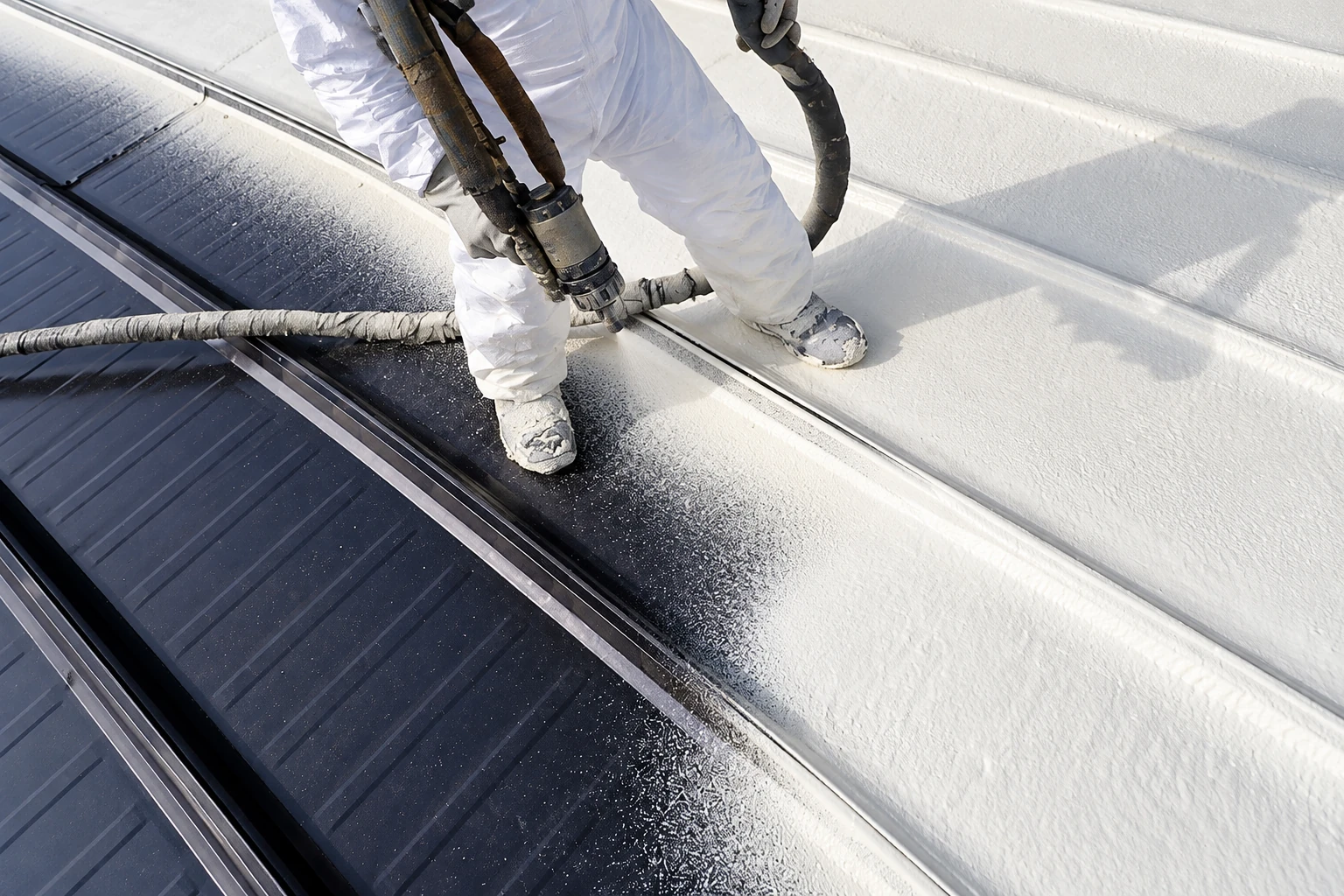
Spray foam sticks to the concrete and fills its own gaps, so it seals air while it insulates, though it usually costs more. Closed-cell foam is dense and blocks moisture, which usually makes it the better fit against a foundation wall. Open-cell foam is lighter and softer, and it usually suits framed walls and ceilings better than bare concrete.
When a basement already has framed walls, fiberglass batts in the wall cavity are another option, and the layer facing the room matters. Plastic sheeting or foil-faced sheathing on the room side can trap moisture inside a basement wall, so building-science guidance favors a vapor retarder, a layer that slows moisture without sealing it in, such as paper-faced Kraft batts or latex paint on the drywall.
Basement insulation questions from Hobbs homeowners
What is the best way to insulate a basement, from the inside or the outside?
For most existing homes the inside is the better choice, because insulating a foundation from the outside is costly, destructive and disruptive. Outside work means digging around the house, so you'd plan for a higher bill and real upheaval in the yard. I'm happy to walk you through the inside options when I come out.
How much does basement insulation cost?
Insulating a basement usually costs about $4.50 to $6.40 per square foot across the US, which is a national figure and not a Hobbs quote. Because it's priced by the square foot, the size of the space matters most, followed by the material and whether you want drywall over it. Your own figure comes from the written estimate I give you after looking at the space.
Do I need to cover foam insulation in a finished basement?
Yes, foam needs a thermal barrier, a protective layer such as drywall, between it and any room you live in. If you plan to finish the basement, budget for that covering, and as I mentioned, we put it in the estimate. If you're unsure how the local rules handle it, local code officials can clarify, and that question is best asked before the walls are closed up.
How do I find out if I need a permit to insulate my basement in Hobbs?
Ask Hobbs Building Inspections, which issues residential permits in the city and wants them in place before construction or remodeling begins. Its list names alterations and remodels but not basement insulation by name, so it's worth asking about your particular job. That's why I check with the city before we start.
What license should an insulation contractor have in New Mexico?
New Mexico has an acoustical insulation and insulation license classification that covers installing any insulating material in or on a building. You can ask any contractor whether they hold it before you sign. We're licensed and insured, and I'm glad to answer that question at the estimate.
Can I insulate my own basement in Hobbs without a licensed contractor?
Yes, state law lets you do the work yourself without a contractor's license if it's the single-family home you own and live in. That exemption doesn't cover rental houses or commercial buildings. If you hire out any specialty trade work, it has to be a validly licensed contractor, and that contractor applies for the permits and requests the inspections.
Foam options for basement walls
Closed-cell foam insulation
If your basement walls run damp or you want one layer that insulates and blocks moisture against the concrete, this dense foam is the one to read about.
Open-cell foam insulation
If you're also thinking about framed walls, the ceiling over the basement or rooms upstairs, this lighter foam may be the better fit for those spaces.
Book your basement insulation estimate
Call (575) 318-2651 or send the form before the framing or drywall crew shows up, so we can plan the insulation and the covering together and your walls only get opened once.
Mon–Sun: 6 AM–11 PM