Attic insulation in Hobbs NM - an even layer across the whole attic out to the eaves
Hot upstairs rooms and a climbing power bill usually trace back to a thin attic. We check it, fix what's wrong, then insulate.
What's involved in insulating an attic in Hobbs?
Attic insulation in Hobbs means closing the air gaps in your attic floor, which we call air sealing, and then covering the whole floor with an even layer of insulation out to the eaves, so the rooms below hold their temperature through hot summers and cold nights.
Most of the attics I look at around Hobbs have some insulation, just not enough, or it's packed down in the middle and thin at the edges. The price mostly turns on the size of your attic, how many inches are already up there, whether old or damaged material has to come out first, and which material you choose. The schedule turns on what I find on that first look, because repairs like a roof leak have to come before new insulation, and on whether the city wants a permit for your job. The written estimate I give you after looking at your attic puts your own figure on all of that. If the walls, floors or crawl space are part of the problem too, we also do home insulation for the rest of the house.
How can you tell your attic needs more insulation?
Most of the signs show up in the rooms below before anyone climbs into the attic. Here's what homeowners in Hobbs usually notice first, and what each one tends to mean.
Upstairs rooms stay hot all afternoon, which usually means heat is coming straight through a thin attic floor.
The room over the garage is always the hottest or coldest, often because its ceiling has little insulation.
You can see the tops of the ceiling joists in the attic, so the layer up there is thin.
The power bill climbs every summer while the AC runs nonstop, which often points to heat soaking through the attic.
Rooms feel drafty around ceiling lights and the attic hatch, a sign of air gaps nobody sealed.
Insulation up there looks matted, stained or full of droppings, which usually means water or pests got in.
If you see stains, damp insulation or droppings, please call sooner rather than later, because those problems need sorting out before any new insulation goes in.
What happens after you call about attic insulation?
Here's how an attic job runs with us, one step at a time, so you know who's coming out, what they're looking for and what you'll have in hand before any work begins.
Call us or send a request
Call (575) 318-2651 or use the form, and we'll get back to you to set a time for me to come out. It helps if you know roughly how big the attic is and what kind of insulation is up there now.
I look over your attic
I measure what's up there now and note anything that should be fixed before new insulation goes in. You get a written estimate that spells out those repairs and the work I'd recommend, so you know what you're paying for before anything starts.
We do the work in order
Once you're ready and the permit question is settled, our installers handle the repairs, seal the gaps and then lay the insulation across the whole floor out to the eaves, with me checking along the way. If anything about the schedule changes, I'll call you ahead of time rather than leave you waiting.
Walk through the finished attic
When the job is done, I walk through it with you and show you the depth and coverage from the middle out to the edges. We clean up before we leave.
Get a written estimate for your attic insulation
We reply within one business day to set a time for me to come out, look over your attic and give you a free written estimate on site, with no obligation to go ahead.
- Call
- (575) 318-2651
- Hours
- Mon–Sun: 6 AM–11 PM
Attic insulation materials and how we choose them
Most attics we work on get blown-in insulation, loose fill blown through a hose, because it settles around joists, wires and corners and can go right over a layer that's still dry and clean. If the old material is soaked or full of droppings, it comes out first, since covering it just buries the problem. We keep the depth even out to the edges, where thin coverage is the usual miss.
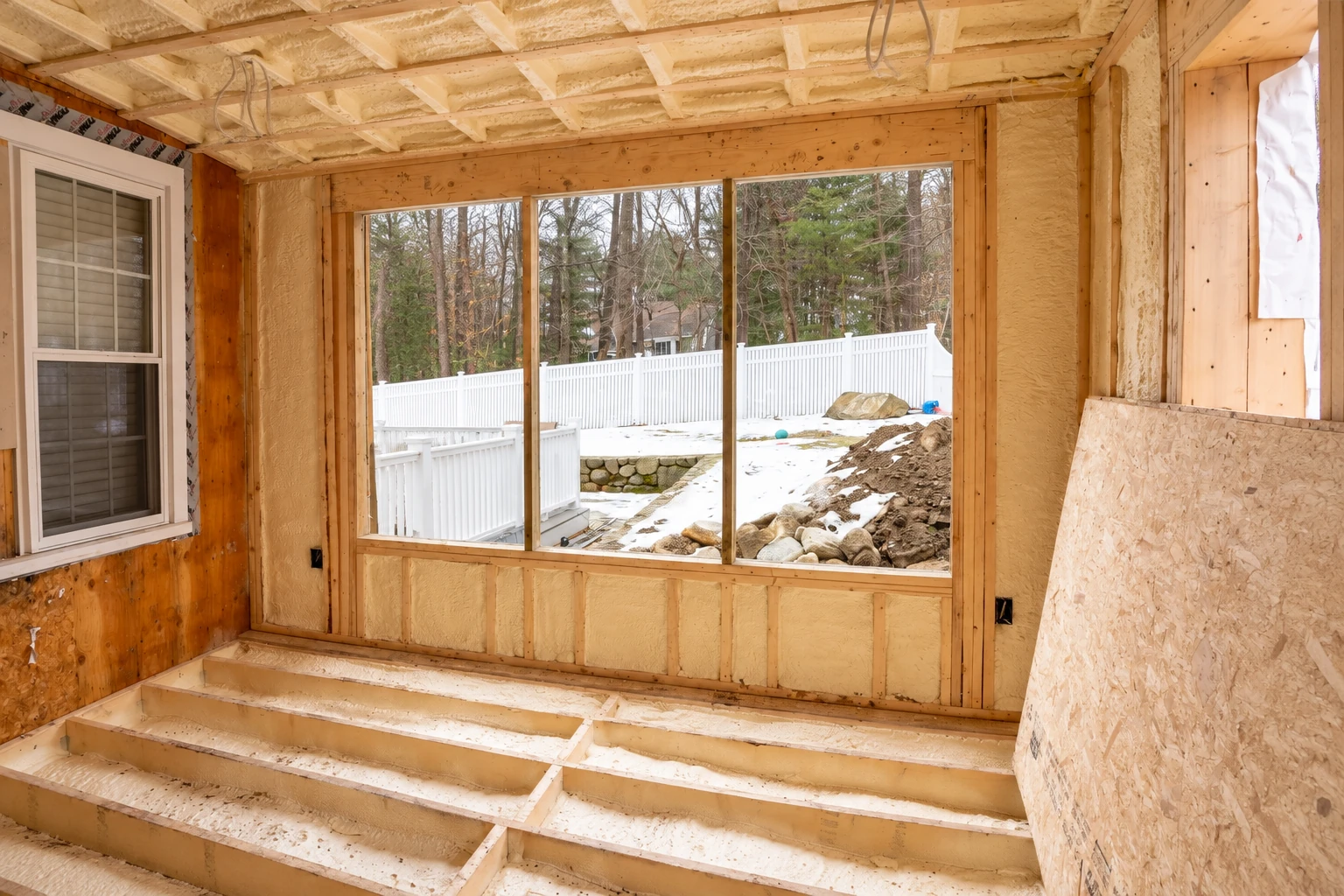
Spray foam seals air while it insulates, and closed-cell foam, a dense foam that also blocks moisture, does both well, but foam costs more. For most Hobbs attics I'd rather seal the gaps around ceiling lights, pipes and the hatch and then top up the loose fill, because that usually does the job for less. The exception is an attic where the ductwork runs, and there foam often earns its price.
Along the eaves we put in rafter vents, also called baffles, which keep insulation off the soffit vents so outside air comes in at the eaves and leaves through the ridge or gable vents. Bury those vents and the attic can't breathe, and moisture shows up in the framing. Radiant barrier, a reflective layer, is worth asking about too, since it's especially useful in hot, sunny climates like ours.
Attic insulation questions from Hobbs homeowners
How much insulation does my attic need in Hobbs?
ENERGY STAR's guidance lists R49 for an attic with no insulation and R38 for one that already has 3 to 4 inches, and R-value is simply how well insulation slows heat. Those zone 3 figures fit here because New Mexico's energy code puts Hobbs in climate zone 3B. The right target for your house turns on what's up there today, so I measure the inches already in your attic before I suggest a depth.
What does attic insulation cost in New Mexico?
Upgrading a typical 1,500 square foot attic from R-30 to R-49 with blown cellulose usually costs about $1,500 to $5,400 per job in New Mexico. That's a statewide figure for one attic size and one upgrade, so your job lands higher or lower depending on its size, what's already up there and any repairs or old material that has to come out first. The written estimate I give you after looking at your attic is the price for your house.
How do I get a permit for attic insulation in Hobbs?
Hobbs Building Inspections issues residential building permits, and the city says a permit application should be made before any construction or remodeling work begins. Before we start, I check with the office that covers your address, and if your job calls for a permit, we apply for it and arrange the inspections.
Is it safe to disturb old insulation in my attic?
Not until you know what it is, because vermiculite, a light, pea-size, flaky gray mineral used in older attics, may contain asbestos. ENERGY STAR advises having it tested by an approved lab before anyone disturbs it, which adds a step before work can start. If I spot it on the first visit, I'll point it out so you can plan for that step.
How do I know if my attic needs repairs before new insulation goes in?
Look for wet insulation, moldy or rotted rafters, and kitchen, bath or dryer vents that blow moist air into the attic, because those usually need correcting before new insulation goes over them. Wet insulation points to a leaky roof, so finding it early lets you line up the roof repair alongside the insulation job. In a house built before 1930, it's also fair to ask about knob and tube wiring, an old style of wiring that can be a fire hazard when insulation touches it, and I'll look for it on that first visit.
Do I need a licensed contractor to insulate my attic in New Mexico?
Not if it's the single-family home you live in, because state rules let owners work on their own primary residence without a contractor's license, though that leaves out rentals and commercial buildings. For everyone else, installing insulation in a building falls under the state's contractor licensing for insulation work, so it's worth asking any contractor you hire about it. We're licensed and insured, and we work for homeowners, landlords and business owners alike.
Related insulation work for your house
Blown-in insulation
If your attic already has some insulation but not enough, blown-in loose fill tops it up evenly, working into corners and around joists that batts tend to miss.
Home insulation
When cold floors, drafty walls or a chilly crawl space bother you as much as the attic, we can look at the whole house in one visit.
Book a look at your attic
We answer the phone every day from 6 AM to 11 PM, so please call (575) 318-2651 whenever it suits you, or email projects@hobbssprayfoaminsulation.com with a rough attic size and what's up there now.
Mon–Sun: 6 AM–11 PM