Crawl space vapor barrier in Hobbs, NM - drainage checked, then the ground covered
Musty smell, damp dirt or cold floors over the crawl space? We check where the water comes from, then cover the ground under your house.
Do I need a vapor barrier in my crawl space?
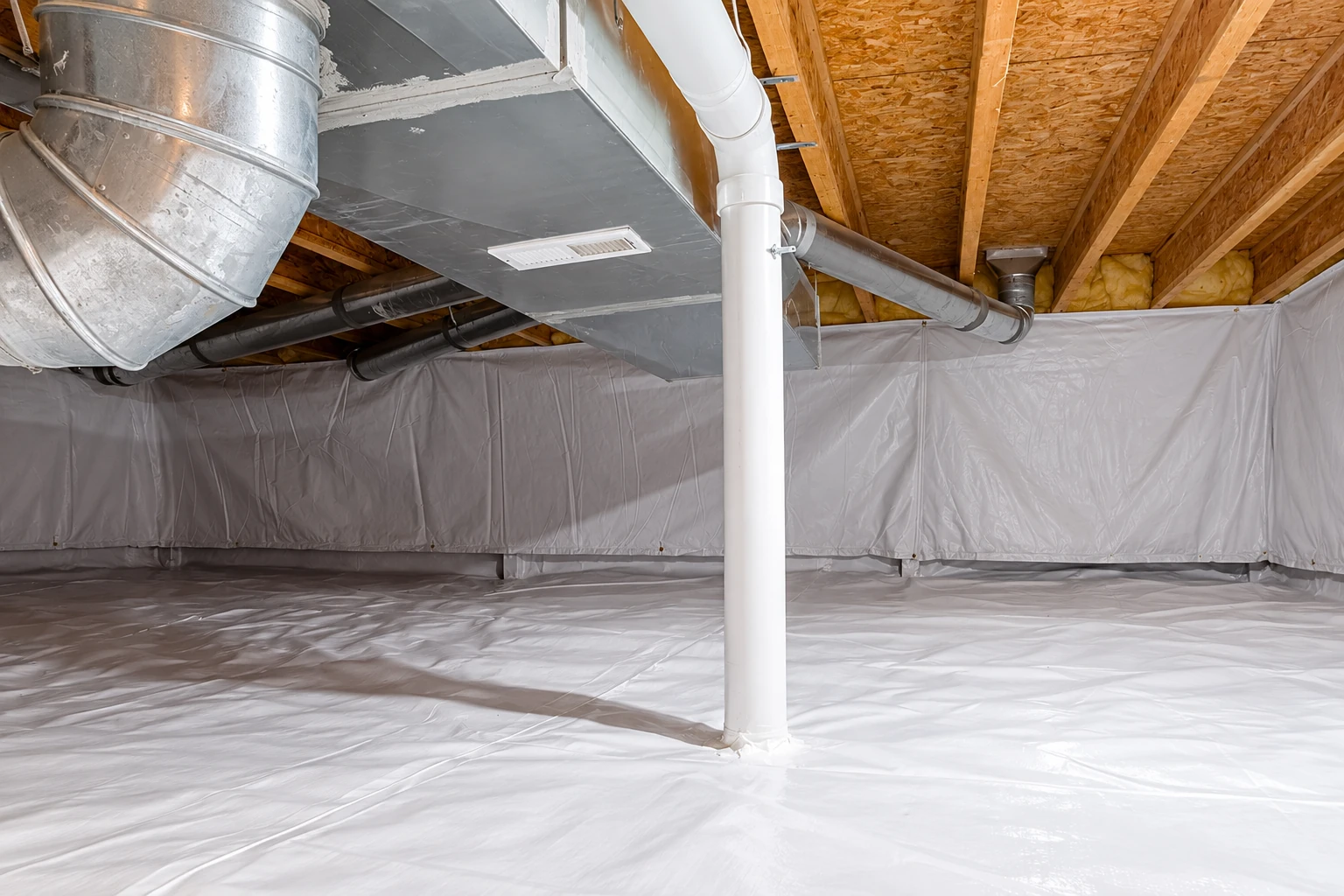
A crawl space vapor barrier is a plastic cover laid over the bare soil under your house, and when it's put down well it cuts the ground moisture that rises into the crawl space. At B&M Hobbs Spray Foam Insulation, we install them in Hobbs, NM and in North Hobbs, Lovington, Seminole, TX and the cities around them.
Most people call us because something in the house feels damp or smells off, and they suspect what's underneath. A ground cover won't stop water that's running in, so I look at the grading and drainage first and tell you plainly if that work has to come before the plastic. The price mostly turns on how much ground there is to cover, how easy the space is to move around in and which barrier you choose, and the schedule turns on whether water work comes first, so the estimate is where you'll get your own figure. If the rooms upstairs also feel drafty, attic air sealing is often worth doing in the same season. The state's Construction Industries Division requires a license for anyone offering construction contracting, and we're licensed and insured.
How can you tell your crawl space needs a vapor barrier?
You don't have to crawl under the house to spot most of these, though a quick look with a flashlight from the access door helps. Here's what usually tells me a crawl space needs a cover or water work first.
A musty, earthy smell inside the house usually means damp air is rising from the crawl space.
Bare dirt under the house with no plastic at all leaves ground moisture free to rise.
Old plastic that's torn, bunched up or full of gaps lets the soil breathe straight through.
Wet, dark soil or puddles after a storm usually point to grading or drainage trouble first.
Floors that feel cold or a little soft can mean moisture is reaching the framing underneath.
Rust on pipes, mold on joists or sweating ductwork usually means the air down there stays damp.
If you see standing water or soaked soil down there, please call (575) 318-2651 now instead of waiting, because the water needs looking at before any plastic goes in.
What happens after you call about a crawl space vapor barrier?
Here's how a vapor barrier job runs with us, one step at a time, so you know who you'll see at your house and what you'll have in hand before any work begins.
Call or send a request
Call (575) 318-2651 or use the form, and we'll get back to you to set a time for me to come out. It helps to mention your address, whether you're inside Hobbs city limits and any standing water or dampness you've noticed.
I look the space over
I check the grading, the drainage and any old plastic, and I note anything that should be fixed before the cover goes down. You get a written estimate, so you can see the price and the order of the work before you decide anything.
We handle permits and install
When you're ready, we sort out the permit question and then do the work in the order we agreed. Our installers lay the plastic to reach as much of the ground as we can, and I check their work along the way.
Walk through the finished job
When the cover is down, I walk through the finished job with you and answer any questions you have. Thank you for having us in your home.
Get a written estimate for your crawl space barrier
Once you send the form, we reply within one business day to set a time for me to come out. I'll look the crawl space over and give you a free written estimate on site, with no obligation.
- Call
- (575) 318-2651
- Hours
- Mon–Sun: 6 AM–11 PM
Barrier thickness, seams and how it's held down
Ground covers are sold by thickness in mil, a thousandth of an inch each, and federal weatherization guidance treats 6 mil as the thinnest ground cover that's acceptable. Thinner plastic is cheaper and quicker to lay, but it tears when someone crawls over it later to reach a pipe or a duct. A thicker reinforced sheet holds up better, and it's the one I usually lean toward, for the reason in the lifespan question below.
How the plastic goes down matters as much as which plastic it is. Federal guidance describes running it up the walls, columns and footings, overlapping every seam and fastening it where needed on upright surfaces so it stays put, and those are fair questions to ask any crew. We lay it to reach as much of the ground as we can, and a well-laid cover also helps cut soil gases such as radon coming up from below.
Some owners want to go further and turn a vented crawl space into a sealed, insulated one. That's a bigger project, and drainage and site moisture problems get fixed before it starts, so the water work belongs first in both the plan and the budget. If you're also thinking about moisture in walls or other parts of the building, our vapor barrier installation work covers that side of things.
Crawl space vapor barrier questions from Hobbs homeowners
Does a vapor barrier fix all the moisture in a crawl space?
No, because in a vented crawl space most of the moisture comes from water getting in, not from vapor rising out of the soil. The usual causes are poor grading, missing drainage around the house or how the yard gets watered, so I check those along with the plastic and tell you which needs to come first.
How long does a crawl space vapor barrier last?
One cost guide puts a 6 mil contractor grade sheet at 3 to 5 years and a 20 mil reinforced barrier at 25 years or more. If you'd like to put it in once and leave it, the thicker reinforced barrier is the better choice, and it's the one I usually recommend. As on every job, our promise is "Your satisfaction, guaranteed."
How much does a crawl space vapor barrier cost in Hobbs?
There's no set price, because it comes down to your crawl space and the barrier you pick, and I give you a written figure after I've looked at it. A thicker reinforced sheet costs more up front but lasts much longer, and old plastic, debris or tight spots to crawl through add labor, while a clear, roomy space keeps the cost down.
Do I need a permit for a crawl space vapor barrier in Hobbs, NM?
It may, so I check with the office that covers your address before any work starts. The city requires a permit before a regulated structure is altered, repaired or improved, outside the exemptions it lists, and Hobbs Building Inspections issues residential permits and can tell you whether your job needs one. For homes outside city limits, Lea County approves an address and new construction application before a permit is issued, and the Hobbs office also handles electrical, mechanical and plumbing permits if wiring or pipes under the house need work too. If a permit is needed, we apply for it and arrange the inspections.
How do I get my crawl space ready for a vapor barrier?
Take stored items and loose debris out of the crawl space before we come, so the cover can reach every part of the ground. That goes for a new install or a repair of old plastic, and if something down there is too heavy or awkward to move, please tell me at the estimate so we can plan for it.
Do I have to leave the house while you put in a crawl space vapor barrier?
Usually not, because laying plastic under the house doesn't involve spraying anything. We'll need clear access to the crawl space door, and it helps to keep pets inside and away from the opening while our installers are coming and going.
Related services for crawl spaces and drafts
Vapor barrier installation
Landlords and shop owners often need moisture control beyond the crawl space, and a barrier in the right spot helps keep damp air out of walls and insulation.
Attic air sealing
When the upstairs runs hot or drafty after the crawl space is covered, sealing gaps around lights, pipes and the attic hatch cuts air leaking through the ceiling.
Get your crawl space looked at first
Call (575) 318-2651 or send the form, and one visit will tell you whether plastic alone will do or the drainage needs work first, so you're not covering a problem you'd have to pull back up later.
Mon–Sun: 6 AM–11 PM